The Consequences of Geotagging

In today’s age of social media, sharing our photos and experiences has become a norm. We love to post our images on Instagram and Facebook to show the world where we’ve been and what we’ve seen. However, with the rise of geotagging, a new concern has emerged regarding the impact that our posts can have on the environment. In this article, we will discuss the importance of responsible geotagging by photographers in social media and the consequences of irresponsible geotagging on the natural environment.

What is Geotagging?

Geotagging is the practice of adding geographical location information to a photo or video. With geotagging, we can share the exact location where a photo was taken, making it easier for others to find the same spot. Social media platforms like Instagram and Facebook allow us to tag our posts with the location where we took the photo, making it easy for our followers to see where we are and what we’re doing.
Why is Responsible Geotagging Important?

Responsible geotagging is important because it helps to protect the environment. When we geotag our posts, we are essentially creating a map of popular destinations that can be easily accessed by anyone. While this may seem harmless, it can have negative consequences for the natural environment.

For example, when we geotag a location that is off the beaten path, it can lead to increased foot traffic in the area, which can damage fragile ecosystems. The increased foot traffic can also lead to erosion and can disturb wildlife, making it difficult for them to survive in their natural habitat.

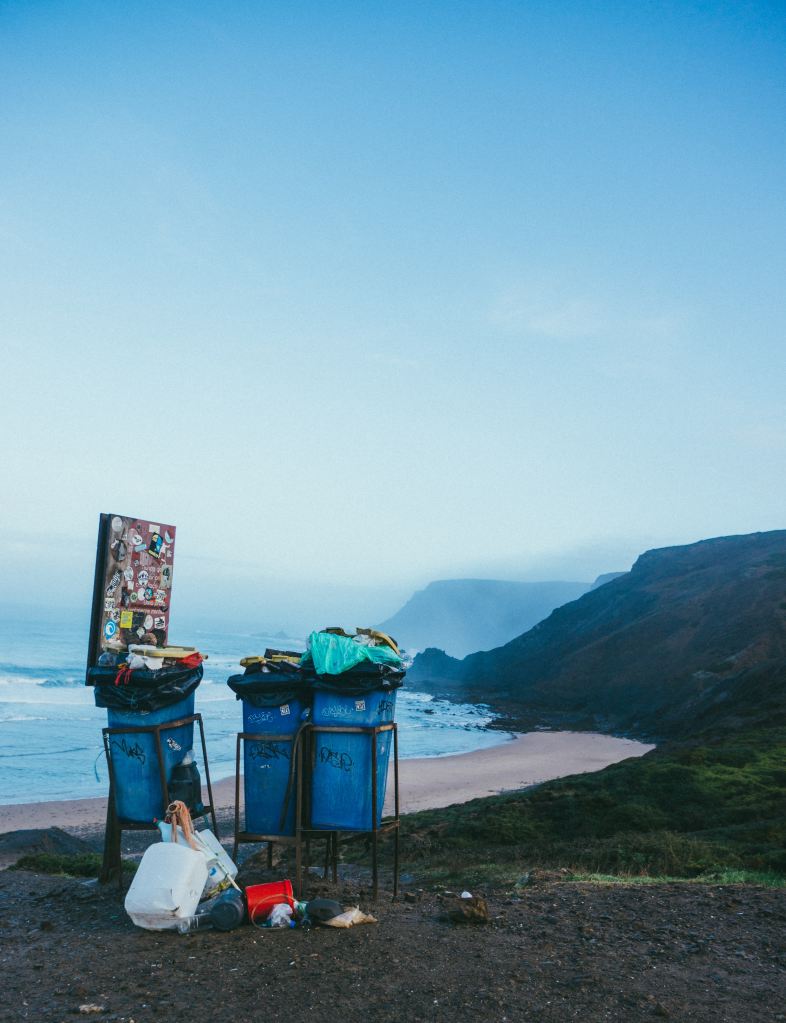
Another concern with geotagging is that it can attract large crowds of people to a particular location. This can lead to overcrowding, which can result in litter, pollution, and other negative impacts on the environment. Overcrowding can also make it difficult for photographers to capture the natural beauty of the location without other people getting in the way.

Consequences of Irresponsible Geotagging

Irresponsible geotagging can have severe consequences for the natural environment. For example, the Helensburgh Tunnel, south of Sydney, was closed to the public due to irresponsible geotagging. The tunnel was once a peaceful place to visit, but after social media influencers began tagging the location, the location became overrun with visitors. The increased traffic had a detrimental effect on the glowworm population and the surrounding environment, which led to the closure of the tunnel.

Another example of the negative impacts of irresponsible geotagging is the Horseshoe Bend in Arizona. The iconic bend in the Colorado River was once a hidden gem, but after Instagram users began tagging the location, it became overcrowded, leading to litter and erosion.

How to Geotag Responsibly

Geotagging responsibly means taking into consideration the impact that your posts can have on the environment. Here are some tips on how to geotag responsibly:

1. Avoid geotagging fragile or sensitive locations.

If a location is fragile or sensitive, it’s best to avoid geotagging it altogether. Instead, you can describe the location in the caption without giving away the exact location.

2. Be mindful of the impact of your post.

Before you geotag a location, consider the impact that your post may have on the environment. Will it lead to overcrowding or damage to the location? If so, it’s best to avoid geotagging the location.

3. Use general location tags.

Instead of tagging the exact location where a photo was taken, consider using a general location tag, such as the city or state. This can still give your followers an idea of where you are without giving away the exact location.

4. Respect the environment.

When visiting a location, respect the environment by not littering or damaging the surroundings. Take your rubbish with you, and avoid damaging plants or disturbing wildlife. It’s important to leave the location as you found it, so that it can be enjoyed by future generations.

5. Educate your followers.

As a photographer, you have a unique opportunity to educate your followers about responsible geotagging. You can include a message in your post or caption about the importance of protecting the environment and being responsible when geotagging.

Responsible geotagging is important for protecting the natural environment. While geotagging can be a great way to share our experiences with others, it’s important to consider the impact that our posts can have on the environment. By geotagging responsibly, we can help to protect fragile ecosystems and ensure that these locations can be enjoyed by future generations. As photographers, we have a responsibility to educate our followers and to promote responsible geotagging in social media. Let’s all do our part to protect the environment and promote responsible geotagging.

Are Drones Nice or a Nuisance?

In recent years, the use of drones in photography has become increasingly popular. Drones offer photographers the ability to capture stunning aerial images that were previously impossible to obtain without the use of a helicopter or airplane. However, the increasing use of drones has also raised concerns about safety, privacy, and noise pollution. In this article, we will explore the pros and cons of using drones in photography and whether they are more of a nice addition or a nuisance.

Pros of Using Drones in Photography

One of the most significant advantages of using drones in photography is the ability to capture images from a unique perspective. Aerial photography provides a bird’s eye view of a landscape, allowing photographers to capture images that are impossible to obtain from the ground. This has opened up new possibilities for photographers, enabling them to create stunning and unique images that were previously impossible.

Another advantage of using drones in photography is the increased efficiency and cost-effectiveness they offer. Before drones, aerial photography was only accessible through expensive helicopter or airplane rentals. Drones are much more affordable and easier to operate than helicopters or airplanes, allowing photographers to capture aerial images at a fraction of the cost. Drones are also more accessible, allowing photographers to capture images in areas that would be difficult or dangerous to access on foot.

Drones are also much quieter than helicopters or airplanes, making them less disruptive to the environment and wildlife. The quieter operation of drones has also opened up new possibilities for photographers, enabling them to capture images in areas where the noise of a helicopter or airplane would be too disruptive.

Cons of Using Drones in Photography

While drones offer many advantages, their increasing use has also raised concerns about safety, privacy, and noise pollution. Drones can pose a significant risk to public safety if not operated correctly, with the potential to collide with buildings, power lines, or other aircraft. This has led to increased regulation of drone use, with many countries requiring operators to obtain a license or permit before flying their drones.

Privacy is another concern with the use of drones in photography. Drones equipped with cameras can capture images and videos of individuals without their consent, raising concerns about invasion of privacy. This has led to increased calls for regulations on the use of drones, with many countries banning the use of drones for surveillance or commercial purposes.

Noise pollution is another significant concern with the use of drones in photography. While drones are quieter than helicopters or airplanes, they still produce a noticeable amount of noise. This can be disruptive to wildlife and can also be a nuisance to people in the surrounding area. This has led to increased regulations on the use of drones in certain areas, such as national parks or wildlife reserves.

The use of drones in photography has both advantages and disadvantages. While drones offer photographers the ability to capture unique and stunning aerial images, their increasing use has also raised concerns about safety, privacy, and noise pollution. To ensure the safe and responsible use of drones in photography, it is essential to follow regulations and guidelines set by the relevant authorities. Ultimately, the decision of whether drones in photography are a nice addition or a nuisance depends on how they are used and whether they are used in a responsible and respectful manner.

Tips for Taking Better Photos with Your Smartphone Camera

In today’s digital age, smartphones have become an indispensable tool for capturing photos and videos. With advancements in smartphone camera technology, it’s now easier than ever to take high-quality pictures with your mobile device. However, even with the latest technology, taking a good photo requires more than just having the right equipment. Here are some tips for taking better photos with your smartphone camera:

Clean your lens

This might seem obvious, but it’s essential to clean your lens before taking a photo. Fingerprints, dust, and dirt can easily accumulate on your smartphone camera lens, which can cause your photos to appear blurry or hazy. A quick wipe with a microfiber cloth can help you avoid this problem.

Use the rule of thirds

The rule of thirds is a fundamental principle in photography, which involves dividing your image into nine equal parts with two horizontal and two vertical lines. The points where these lines intersect are known as the “power points,” and placing your subject on one of these points can create a more balanced and aesthetically pleasing composition.

Find good lighting

Lighting is crucial in photography, and the same is true for smartphone photography. The best time to take photos is during the golden hour, which is the hour after sunrise and the hour before sunset when the light is soft and warm. If you’re taking photos indoors, try to position your subject near a window or another source of natural light.

Adjust exposure and focus

Most smartphone cameras allow you to adjust the exposure and focus of your photos manually. By tapping on the screen, you can change the focus point and adjust the exposure level to ensure that your subject is correctly exposed.

Use the HDR mode

HDR (High Dynamic Range) mode is a feature on most smartphone cameras that helps you capture more detail in high-contrast situations. When you turn on HDR mode, your phone takes multiple photos with different exposures and combines them to create a more balanced and natural-looking image.

Try different angles

Don’t be afraid to experiment with different angles when taking photos. Try shooting from a low angle or a high angle to add some variety to your photos.

Use editing apps

Finally, don’t forget to edit your photos after you’ve taken them. There are many photo editing apps available for smartphones, such as Adobe Lightroom, which can help you adjust the brightness, contrast, and saturation of your photos.

Taking better photos with your smartphone camera requires a combination of technical skill and creativity. By following these tips, you can improve the quality of your smartphone photos and capture beautiful moments that you can cherish forever.

Don’t Make This Mistake With Your Camera In Winter

If you’re an avid photographer, you know the thrill of capturing stunning photos in the great outdoors. Whether you’re hiking through the mountains or strolling along a beach, there’s nothing quite like capturing the beauty of nature through your lens. However, one thing many photographers overlook is the effect of temperature changes on their equipment. In particular, bringing a cold camera into a warm environment can cause serious damage to your lens.

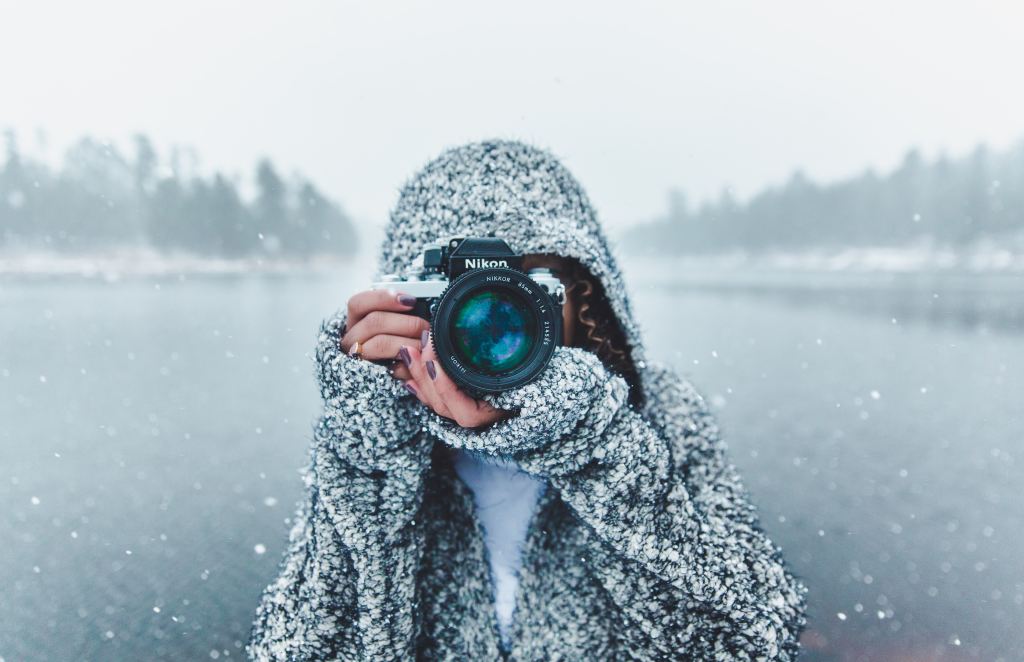
When you’re out in the cold, your camera and lens will naturally become cold as well. This is why it’s important to keep your camera and lens inside a bag to help protect it from the elements. However, when you come back inside after a cold photo shoot, you may be tempted to take your camera out of the bag right away to start reviewing your photos. Unfortunately, doing so can cause condensation to form on your lens, which can lead to serious damage.

Condensation occurs when warm, moist air comes into contact with a cold surface. When you bring a cold camera and lens into a warm environment, such as your home or a warm car, the air around the camera will start to warm up. As the air warms, it will begin to release moisture, which can condense on the cold surface of your lens. This moisture can cause damage to the lens coating, resulting in foggy, blurry, or hazy photos.

To prevent condensation from forming on your lens, it’s important to let your camera warm up slowly. Keep your camera inside your bag until it reaches room temperature. This will help to reduce the temperature differential between the camera and the surrounding air, which in turn will reduce the amount of moisture that can condense on your lens.

You can also help to reduce the risk of condensation by using a protective camera sleeve or bag. These products are designed to provide an additional layer of insulation, helping to keep your camera and lens at a more consistent temperature. This can be particularly useful if you’re going to be moving from a cold outdoor environment to a warm indoor one, as the protective sleeve or bag can help to prevent rapid temperature changes.

If you do notice condensation forming on your lens, don’t panic. It’s important not to wipe the lens with a cloth, as this can cause additional damage. Instead, try to gently blow on the lens to remove any excess moisture. You can also try leaving the camera and lens in a cool, dry place for a few hours to allow the condensation to evaporate naturally.

It’s important to be mindful of the effects of temperature changes on your camera and lens. When you’re out in the cold, keep your camera and lens inside a protective bag to help prevent damage. When you come back inside, let your camera warm up slowly to reduce the risk of condensation forming on your lens. By taking these simple precautions, you can help to protect your equipment and ensure that you’re able to continue using it to its maximum potential.

Are AI Photos a Form of Art?

Photography has long been considered a form of art. It is a medium that has the power to capture moments, convey emotions, and tell stories. With the advancements in technology, particularly in the field of artificial intelligence (AI), the question arises whether AI photography can still be considered a form of art.

AI photography involves the use of algorithms to enhance, modify, or generate images. It allows photographers to automate some of the more technical aspects of the process, such as adjusting exposure, color balance, and focus. It can also be used to create unique visual effects, like the popular deep dream images that turn ordinary photos into psychedelic, dream-like compositions.

Some argue that AI photography cannot be considered art because it is too reliant on technology. They argue that the artistic vision is lost when the artist is no longer the one making all of the creative decisions. Instead, the algorithms are doing much of the work, with the photographer serving as a mere operator.

However, this argument overlooks the fact that photography has always been a medium that involves both technology and artistic expression. Even traditional film photography requires the use of tools and techniques to produce a desired result. And while AI may be used to automate some aspects of the process, the final image is still the result of the artist’s creative vision.

In fact, AI can be seen as another tool in the photographer’s toolkit, just like the camera, lenses, and lighting equipment. It allows photographers to experiment with new techniques and create unique images that were not possible before. It can also be used to enhance the traditional aspects of photography, such as composition, lighting, and storytelling.

AI photography can also be a form of art in its own right. Many photographers are using AI algorithms to create images that challenge our understanding of reality and push the boundaries of traditional photography. For example, artist Trevor Paglen’s “Adversarially Evolved Hallucinations” series uses AI to generate images that are not based on any real-world subject matter but instead come entirely from the algorithm’s imagination.

AI photography is still a form of art. While it may rely on technology, it is ultimately the photographer’s creative vision that determines the final result. AI is simply another tool that can be used to enhance that vision and create new possibilities for visual expression. Furthermore, AI photography can be a form of art in its own right, pushing the boundaries of traditional photography and challenging our understanding of reality.

Five Sunrise Locations in Sydney Harbour

Sydney Harbour is one of the most picturesque locations in the world, and what better way to start your day than by witnessing a beautiful sunrise over the harbour? In this article, we will take a look at five sunrise locations around Sydney Harbour that are sure to leave you in awe.

Hickson Road


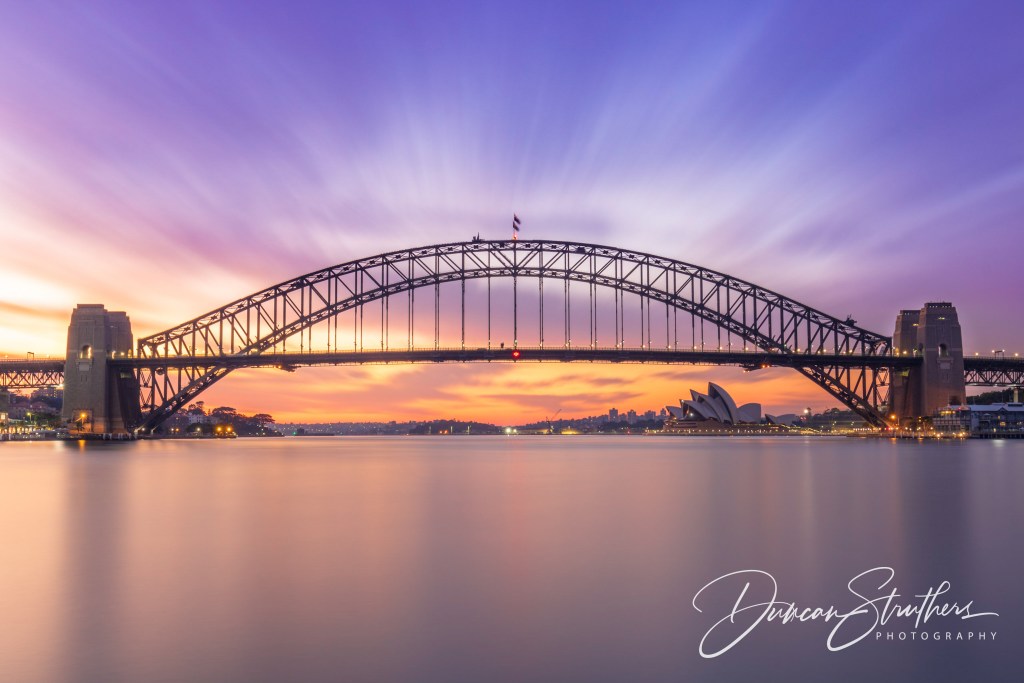
Hickson Road is a popular location for photographers looking to capture a stunning sunrise over the Sydney Opera House and Harbour Bridge. The area is easily accessible, with parking available nearby, and offers an unobstructed view of the harbour. Watching the sun slowly rise behind the Opera House is a truly breathtaking experience.

Kirribilli


Kirribilli is another popular location for capturing sunrise over Sydney Harbour. The area offers a stunning view of the Opera House and Harbour Bridge, and the parkland along the foreshore is perfect for a morning walk. The early morning light also makes for great photo opportunities, as the colours of the sky change from dark blues to pinks and oranges.

Blues Point


Blues Point is a beautiful location on the north side of the Harbour Bridge that offers an uninterrupted view of the city skyline. The area is relatively quiet in the early morning, making it the perfect spot to relax and enjoy the sunrise in peace. The calm waters of the harbour reflect the stunning colours of the sunrise, creating a beautiful, serene atmosphere.

Sawmillers Reserve


Sawmillers Reserve is located on the north shore of Sydney Harbour and offers a unique perspective of the city skyline. The reserve is surrounded by lush greenery and features a small beach that is perfect for a morning swim. The sunrise over the harbour creates a beautiful contrast between the warm colours of the sky and the cool blues of the water.

Berry’s Bay Lookout


Berry’s Bay Lookout is located in Waverton and is a lesser-known sunrise location that offers stunning views of the harbour. The lookout is situated on a hilltop, providing a panoramic view of the city skyline and the harbour. The area is also surrounded by bushland, creating a peaceful and tranquil atmosphere.

Watching the sunrise over Sydney Harbour is a truly magical experience, and these five locations offer some of the best views in the city. Whether you are a photographer or just looking for a peaceful start to your day, be sure to visit one of these locations and witness the beauty of the harbour at sunrise.

Five Reasons Why Mirrorless is the Way of the Future

Mirrorless cameras are a relatively new innovation in the world of photography, but they have quickly taken the market by storm. These cameras offer a host of benefits over their traditional DSLR counterparts, and they are quickly becoming the way of the future. In this article, we will explore five reasons why mirrorless cameras are the future of photography.

  1. Size and weight

One of the biggest advantages of mirrorless cameras is their small size and lightweight design. Mirrorless cameras are designed to be compact and portable, making them ideal for photographers who are always on the go. These cameras are significantly smaller than DSLRs, which can be bulky and heavy, especially when carrying multiple lenses. Mirrorless cameras are also more versatile than DSLRs, as they are able to take high-quality photos in a smaller and more compact package.

  1. Image quality

While DSLRs have been the go-to cameras for professional photographers for many years, mirrorless cameras are now giving them a run for their money in terms of image quality. Mirrorless cameras use the same sensor technology as DSLRs, and in some cases, even better. They offer high-resolution sensors that can produce incredibly detailed and sharp images. In addition, mirrorless cameras are also able to shoot at higher frame rates, making them ideal for capturing action shots and fast-moving subjects.

  1. Autofocus technology

Another advantage of mirrorless cameras is their autofocus technology. Mirrorless cameras use a contrast-detection autofocus system, which is much more accurate and faster than the phase-detection system used by DSLRs. This means that mirrorless cameras are able to focus more quickly and accurately, even in low light conditions. Mirrorless cameras also offer a wider coverage area for autofocus, making it easier to capture the perfect shot.

  1. Electronic viewfinder

One of the key features of mirrorless cameras is their electronic viewfinder (EVF). Unlike DSLRs, which use an optical viewfinder to show the scene in front of the lens, mirrorless cameras use an EVF. The EVF displays a live preview of the image that will be captured, allowing the photographer to see the final image before they take the shot. This makes it easier to get the perfect exposure and composition, as well as making it easier to review shots after they have been taken.

  1. Video capabilities

Finally, mirrorless cameras are ideal for videographers. They offer a range of video capabilities that are not available on DSLRs, including 4K and even 8K video recording. Mirrorless cameras also offer advanced features such as focus peaking, which makes it easier to keep subjects in focus during video recording. Mirrorless cameras also offer a range of connectivity options, making it easy to transfer footage to a computer or mobile device for editing and sharing.

Mirrorless cameras are quickly becoming the way of the future in the world of photography. They offer a range of advantages over traditional DSLRs, including smaller size and weight, high-quality image sensors, advanced autofocus technology, electronic viewfinders, and advanced video capabilities. As technology continues to evolve, it is likely that mirrorless cameras will become even more advanced and versatile, making them the go-to choice for both professional photographers and hobbyists alike. If you’re considering purchasing a new camera, it may be worth exploring the world of mirrorless cameras and experiencing the benefits for yourself.

Start here if you are new to photography

Photography is a fascinating hobby that can be enjoyed by people of all ages and backgrounds. It allows you to capture the world around you and freeze moments in time, creating memories that will last a lifetime. However, if you’re new to photography, it can be overwhelming to understand the technical aspects of taking a good photograph. One of the most fundamental concepts in photography is the exposure triangle, which consists of shutter speed, aperture, and ISO. Learning how these three elements work together is essential for producing great photographs.

Shutter Speed

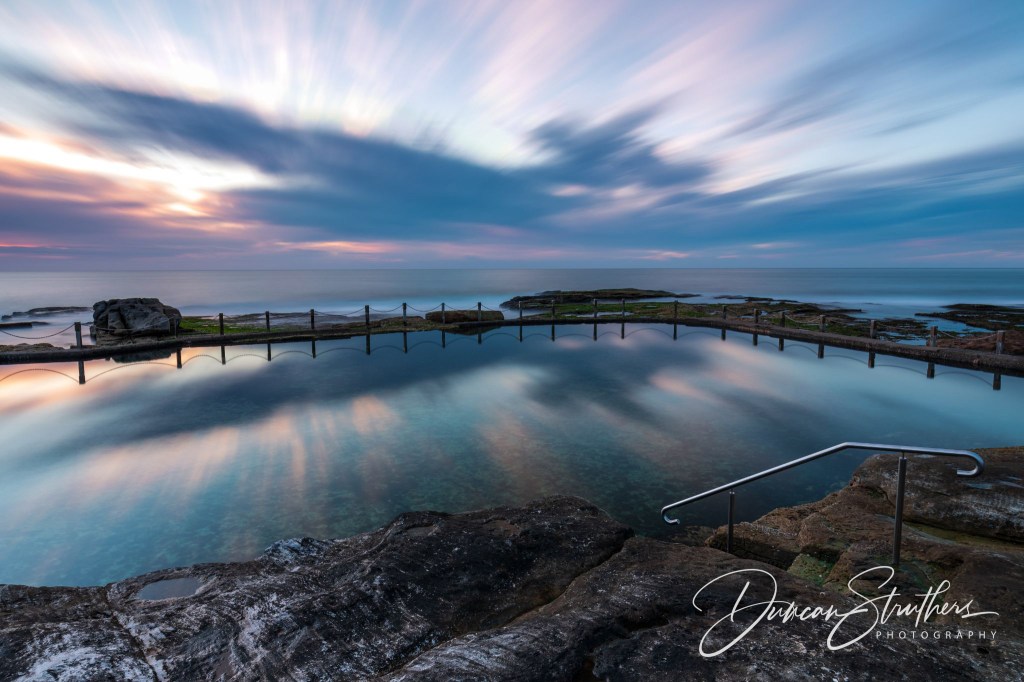
Shutter speed is the amount of time that the camera’s shutter is open when taking a photograph. It controls how long light is allowed to enter the camera and reach the sensor. A fast shutter speed, such as 1/1000th of a second, freezes motion and is ideal for capturing fast-moving subjects, like sports or wildlife photography. On the other hand, a slower shutter speed, like 1/30th of a second, allows more light to enter the camera, creating motion blur. This can be useful when photographing waterfalls or other subjects that require a sense of movement. In the image of the pool, a slower shutter speed was used to show cloud trails.

Aperture

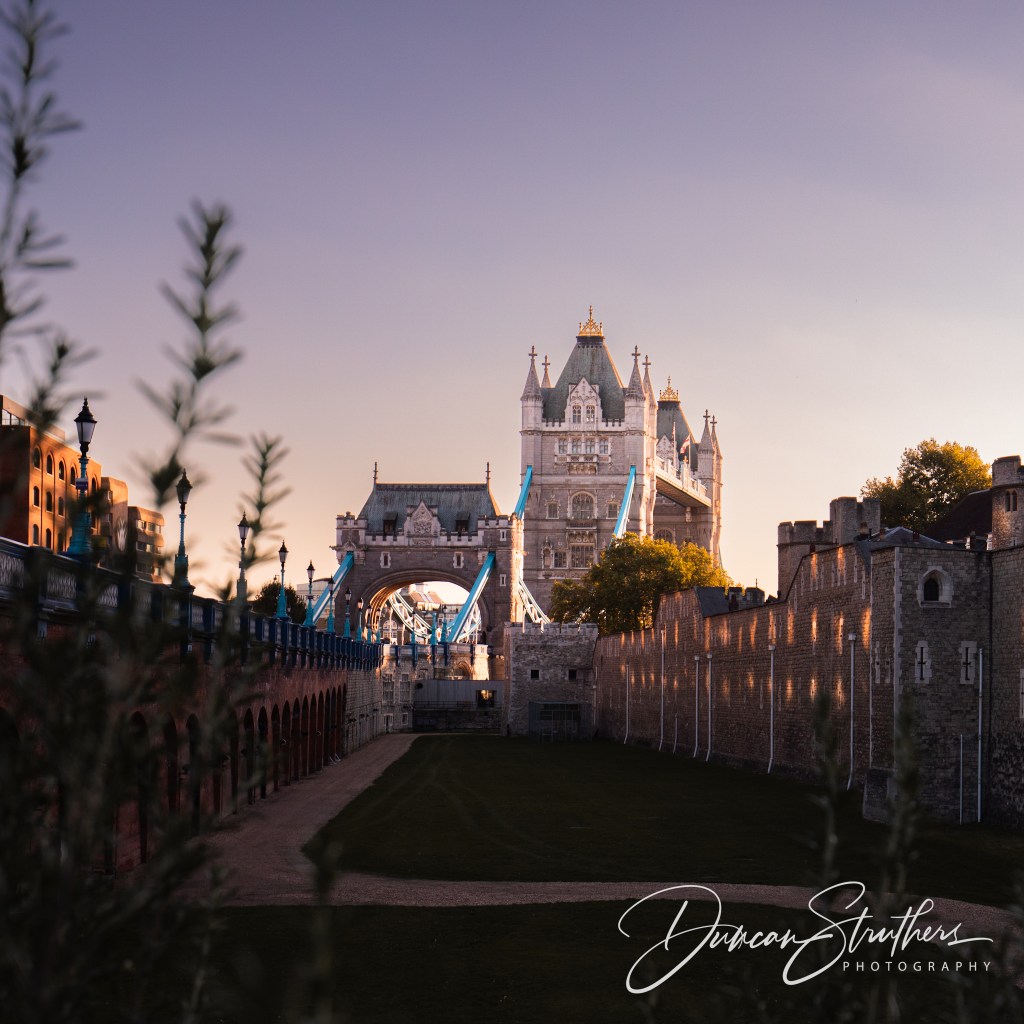
Aperture refers to the size of the opening in the lens that allows light to enter the camera. It is measured in f-stops, such as f/2.8, f/5.6, and f/11. A wide aperture, like f/2.8, lets in more light, which is ideal for low-light situations or creating a shallow depth of field. This is useful when you want to isolate your subject and blur the background. A narrow aperture, like f/11, allows less light to enter the camera, which is ideal for landscape photography, where you want to keep everything in focus. In the image of the Tower Bridge and Tower of London, a narrow aperture was used to keep it all in focus.

ISO

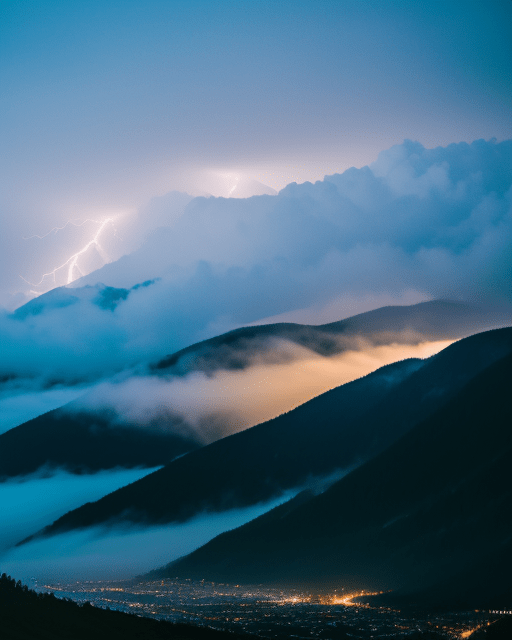
ISO refers to the camera’s sensitivity to light. It is measured in numbers, such as ISO 100, ISO 400, and ISO 800. A low ISO, like 100, is ideal for bright outdoor scenes, while a higher ISO, like 800, is better for low-light situations. However, the downside of a high ISO is that it can create digital noise or grain in your images, which can be distracting. In the image of the thunderstorm, a higher ISO was used to bring out the dark foreground.

Understanding how the exposure triangle works together is essential for producing great photographs. For example, if you want to capture a fast-moving subject in low light, you’ll need to use a high ISO, a wide aperture, and a fast shutter speed. On the other hand, if you’re taking a landscape photograph in bright daylight, you’ll need to use a low ISO, a narrow aperture, and a slower shutter speed.

If you’re new to photography, learning the exposure triangle is an essential step in mastering the technical aspects of taking a good photograph. By understanding how shutter speed, aperture, and ISO work together, you’ll be able to take more creative and visually interesting photographs. Take the time to experiment with different settings and see how they affect your images. With practice and patience, you’ll be well on your way to becoming a skilled photographer.

Five accessories for landscape photography

As a landscape photographer, you need to be prepared for anything that comes your way. You never know when you might need to hike through the woods, trek across a beach, or wait for the perfect shot in the rain. That’s why having the right accessories can make all the difference. Here are five accessories that are great for landscape photography:

1. Headtorch

A headtorch is an essential accessory for landscape photography. It allows you to navigate through the dark, whether you’re hiking through a forest or waiting for the perfect shot during sunrise or sunset. A headtorch is also handy for light painting, which involves using a light source to create unique effects in your photographs. A headtorch with a red-light function is particularly useful, as it wont disturb your night vision.

2. Microfibre Towel

A microfibre towel is another essential accessory for landscape photography. It’s lightweight, compact, and dries quickly, making it perfect for wiping down your gear or yourself after getting caught in the rain or taking a dip in the water. A microfibre towel can also be used to clean your camera lens or filters, ensuring your shots are crisp and clear.

3. Beach Shoes

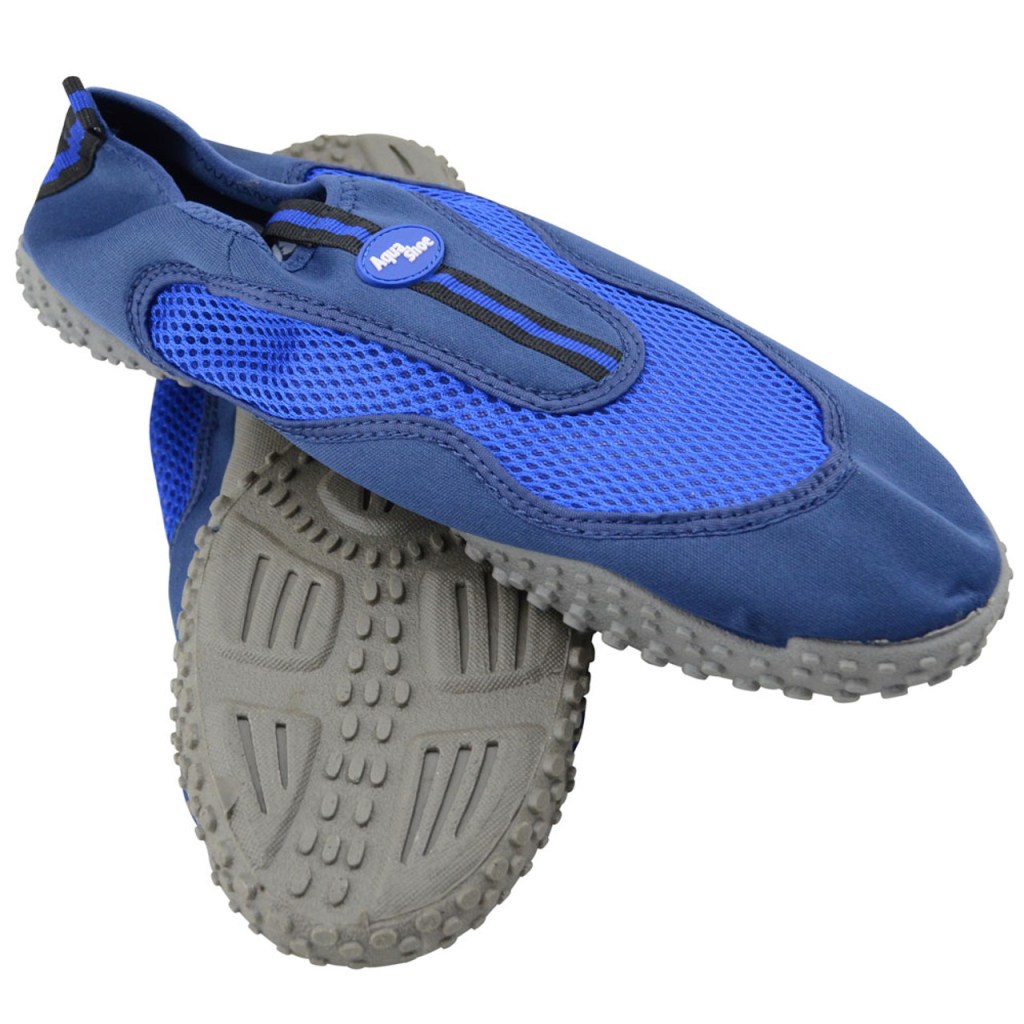
Beach shoes are another accessory that can come in handy during landscape photography. If you’re shooting on a beach or near the water, you’ll want a pair of shoes that can handle sand, rocks, and water. Look for shoes that are waterproof, have good grip, and are comfortable to wear for long periods. You don’t want your feet to be sore and tired before you’ve even taken your first shot.

4. Windbreaker Jacket

A windbreaker jacket is a must-have accessory for landscape photography. Even if the weather looks sunny and calm, conditions can change quickly, and you don’t want to get caught in the ralin or wind without protection. A windbreaker jacket will keep you dry and warm, and can also help protect your gear from the elements. Look for a jacket that’s lightweight, breathable, and easy to pack in your backpack.

5. Backpack

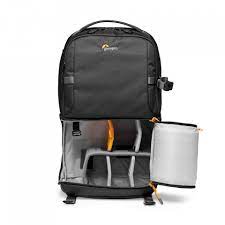
A backpack is perhaps the most important accessory for landscape photography. It allows you to carry all your gear and accessories, as well as any food, water, or clothing you may need. Look for a backpack that’s comfortable to wear for long periods, has enough space to carry your camera gear and accessories, and is durable enough to withstand the rigours of the outdoors. A backpack with multiple compartments can help keep your gear organised and easily accessible.

Having the right accessories can make all the difference when it comes to landscape photography. A headtorch, microfibre towel, beach shoes, windbreaker jacket, and backpack are all great accessories to have on hand. By being prepared, you can focus on capturing stunning landscapes and creating beautiful photographs.