

Photography is a fascinating hobby that can be enjoyed by people of all ages and backgrounds. It allows you to capture the world around you and freeze moments in time, creating memories that will last a lifetime. However, if you’re new to photography, it can be overwhelming to understand the technical aspects of taking a good photograph. One of the most fundamental concepts in photography is the exposure triangle, which consists of shutter speed, aperture, and ISO. Learning how these three elements work together is essential for producing great photographs.
Shutter Speed
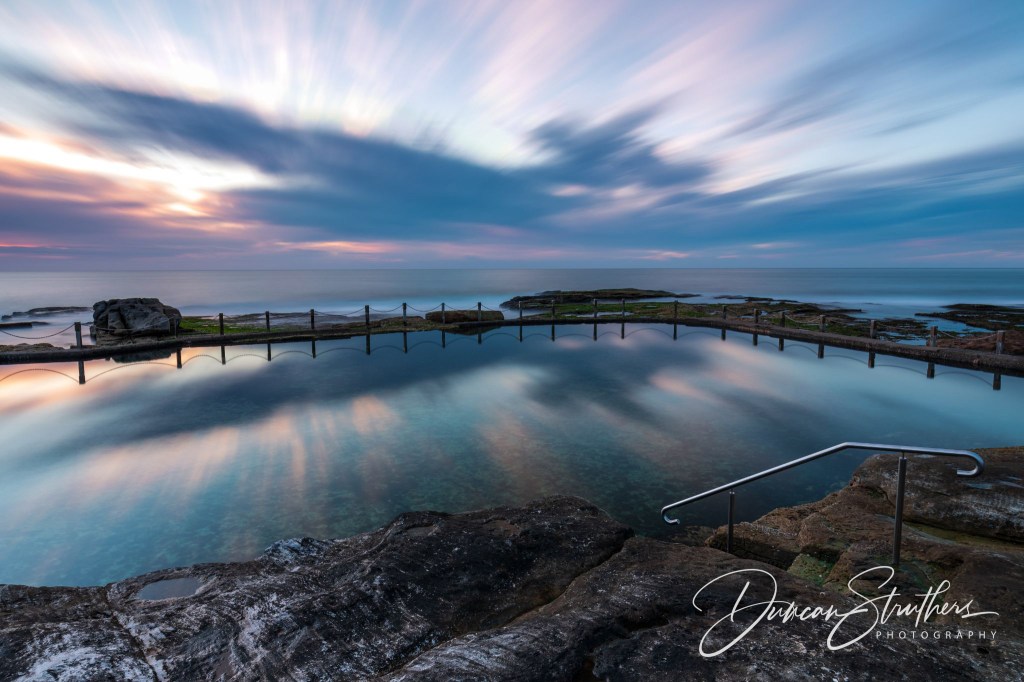
Shutter speed is the amount of time that the camera’s shutter is open when taking a photograph. It controls how long light is allowed to enter the camera and reach the sensor. A fast shutter speed, such as 1/1000th of a second, freezes motion and is ideal for capturing fast-moving subjects, like sports or wildlife photography. On the other hand, a slower shutter speed, like 1/30th of a second, allows more light to enter the camera, creating motion blur. This can be useful when photographing waterfalls or other subjects that require a sense of movement. In the image of the pool, a slower shutter speed was used to show cloud trails.
Aperture
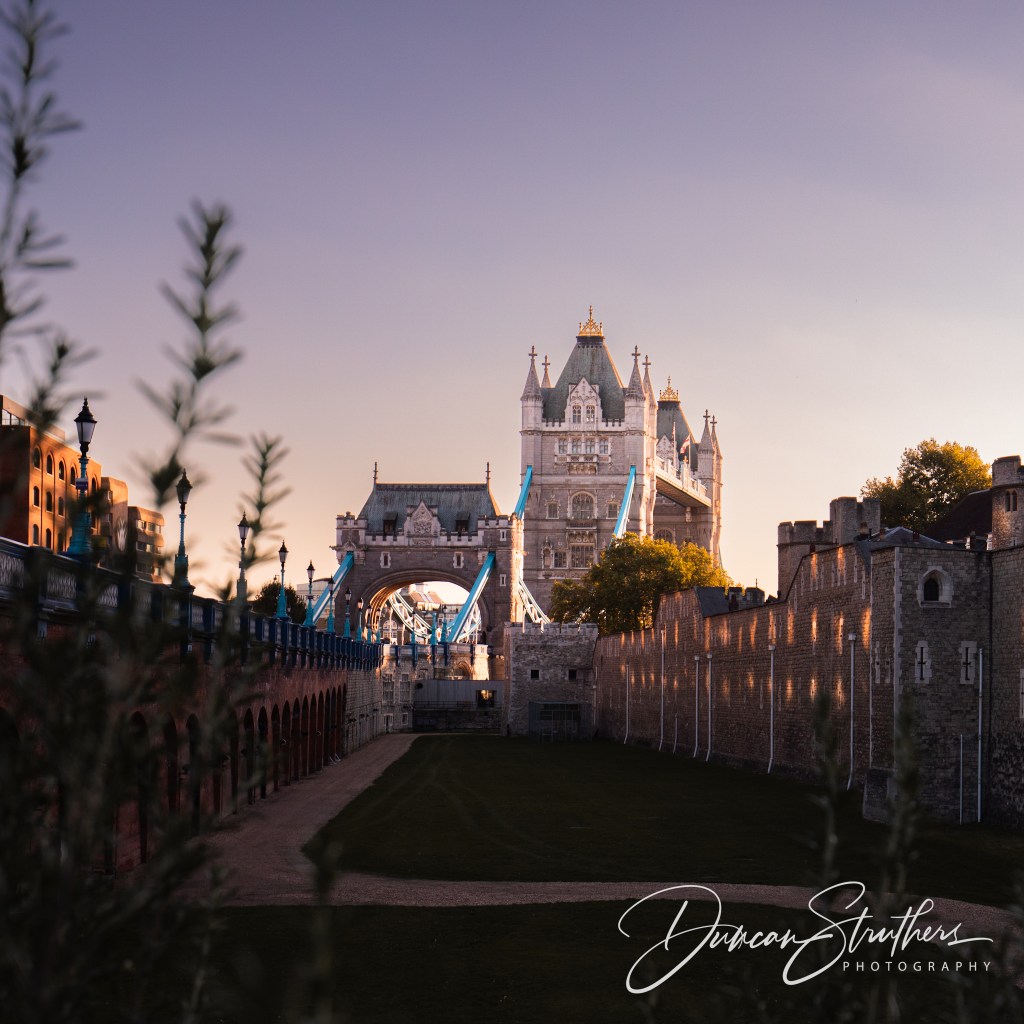
Aperture refers to the size of the opening in the lens that allows light to enter the camera. It is measured in f-stops, such as f/2.8, f/5.6, and f/11. A wide aperture, like f/2.8, lets in more light, which is ideal for low-light situations or creating a shallow depth of field. This is useful when you want to isolate your subject and blur the background. A narrow aperture, like f/11, allows less light to enter the camera, which is ideal for landscape photography, where you want to keep everything in focus. In the image of the Tower Bridge and Tower of London, a narrow aperture was used to keep it all in focus.

ISO
ISO refers to the camera’s sensitivity to light. It is measured in numbers, such as ISO 100, ISO 400, and ISO 800. A low ISO, like 100, is ideal for bright outdoor scenes, while a higher ISO, like 800, is better for low-light situations. However, the downside of a high ISO is that it can create digital noise or grain in your images, which can be distracting. In the image of the thunderstorm, a higher ISO was used to bring out the dark foreground.
Understanding how the exposure triangle works together is essential for producing great photographs. For example, if you want to capture a fast-moving subject in low light, you’ll need to use a high ISO, a wide aperture, and a fast shutter speed. On the other hand, if you’re taking a landscape photograph in bright daylight, you’ll need to use a low ISO, a narrow aperture, and a slower shutter speed.
If you’re new to photography, learning the exposure triangle is an essential step in mastering the technical aspects of taking a good photograph. By understanding how shutter speed, aperture, and ISO work together, you’ll be able to take more creative and visually interesting photographs. Take the time to experiment with different settings and see how they affect your images. With practice and patience, you’ll be well on your way to becoming a skilled photographer.
 Duncan Struthers Photography